

 958 050 205



 100% Online
 200 horas
 Flexibilidad horaria

 Seguridad y confianza en tus pagos online.
- Presentación
- Temario
- Metodología
- Titulación
Descripción
¿A quién va dirigido?
Objetivos
Salidas Profesionales
Temario del Course in Computer Forensic Expertise
UNIT 1. COMPUTING, CONNECTIVITY, AND THE INTERNET
- Computing
- - Basic concepts
- Components of a computer system
- Basic structure of a computer system
- Central processing unit in a computer system
- - Structure
- Common peripherals: Connectivity
- Operating system
- Internet
- Internet connectivity
- - Types of networks
- - Wireless network
UNIT 2. FUNDAMENTALS OF COMPUTER FORENSICS AND DIGITAL FORENSICS
- Concept of computer forensics
- Objectives of computer forensics
- Uses of computer forensics
- The role of the computer expert
- Computer forensic laboratory
- Digital evidence
- - Volatile and non-volatile evidence
- - Evidence labeling
- Chain of custody
UNIT 3. CYBERCRIME
- Computer crime
- - Main characteristics of computer crime
- Types of computer crime
- Cybercrime
UNIT 4. ETHICAL HACKING
- What is ethical hacking?
- - Hacker ethics
- - Values of hacker ethics
- - Phases of ethical hacking
- - Types of ethical hacking
- Legal aspects of ethical hacking
- - Ethical hacking process
- - Code of ethics and certification
- Ethical hacker profiles
- - Black hat hacker
- - White hat hacker
- - Gray hat hackers
- - Hacktivism
- Vulnerability testing
- - Steps to set up a pentesting lab
- Sniffing
- Types of security testing in web environments
- - Identifying proxy mechanisms used
- - Enumeration of valid hosts
- - Web Server Profiles
UNIT 5. FORENSIC ANALYSIS
- Forensic analysis
- Stages of forensic analysis
- - Preliminary study
- - Data acquisition
- - Analysis and investigation
- - Presentation and preparation of the expert report
- Types of forensic analysis
- Requirements for forensic analysis
- Main issues
UNIT 6. DATA SUPPORT
- Data acquisition: importance in digital forensic analysis
- OSI Model
- File recovery
- - Dynamics of file deletion
- - Requirements for file and data recovery
- - Key tools for data recovery
- - Recovery process
- File analysis
- - Signature identification
- - Documents
- - Graphics and multimedia files
- - Executable files
UNIT 7. INFORMATION SECURITY MANAGEMENT SYSTEM (ISMS)
- The information society
- What is information security?
- Importance of information security
- Fundamental principles of information security: confidentiality, integrity, and availability
- - Principle of confidentiality
- - Principle of integrity
- - Principle of availability
- Description of security risks
- Selection of controls
- Success factors in information security
- Benefits of an information security system
Metodología
EDUCA LXP se basa en 6 pilares

Distintiva
EDUCA EDTECH Group es proveedor de conocimiento. Respaldado por el expertise de nuestras instituciones educativas, el alumnado consigue una formación relevante y avalada por un sello de calidad como es el grupo EDUCA EDTECH.

Realista
La metodología EDUCA LXP prescinde de conocimientos excesivamente teóricos o de métodos prácticos poco eficientes. La combinación de contenidos en constante actualización y el seguimiento personalizado durante el proceso educativo hacen de EDUCA LXP una metodología única.

Student First
La metodología EDUCA LXP y la formación del grupo EDUCA EDTECH conciben al estudiante como el centro de la experiencia educativa, nutriéndose de su retroalimentación. Su feedback es nuestro motor del cambio.

Inteligencia Artificial
La personalización en el aprendizaje no sería posible sin una combinación precisa entre experiencia académica e investigación tecnológica, así como la Inteligencia Artificial. Por eso contamos con herramientas IA de desarrollo propio, adaptadas a cada institución educativa del grupo.

Profesionales en activo
Nuestro equipo de profesionales docentes, además de ser especialistas en su sector, cuentan con una formación específica en el manejo de herramientas tecnológicas que conforman el ecosistema EDUCA EDTECH.

Timeless Learning
La formación debe ser una experiencia de vida, concibiendo el e-learning como una excelente solución para los desafíos de la educación convencional. Entendemos el aprendizaje como un acompañamiento continuo del estudiante en cada momento de su vida.
Titulación del Course in Computer Forensic Expertise
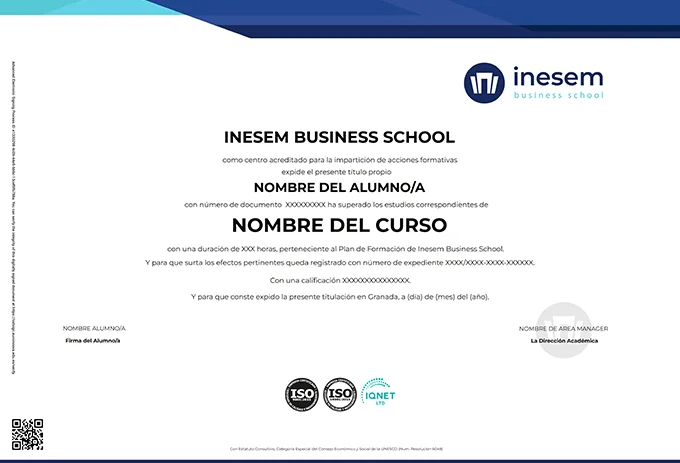
INESEM Business School se ocupa también de la gestión de la Apostilla de la Haya, previa demanda del estudiante. Este sello garantiza la autenticidad de la firma del título en los 113 países suscritos al Convenio de la Haya sin necesidad de otra autenticación. El coste de esta gestión es de 65 euros. Si deseas más información contacta con nosotros en el 958 050 205 y resolveremos todas tus dudas.
También podría interesarte...
Otras Acciones Formativas relacionadas


Explora nuestras Áreas Formativas
Construye tu carrera profesional
Descubre nuestro amplio Catálogo Formativo, incluye programas de Cursos Superior, Expertos, Master Profesionales y Master Universitarios en las diferentes Áreas Formativas para impulsar tu carrera profesional.


Course in Computer Forensic Expertise
100% Online
200 horas
Flexibilidad horaria